Client platform
Everything in one place
For our clients, we've created the Client Platform — an online environment available to you throughout our collaboration, and yours to keep even after it's finished. We keep all materials neatly in one place, with no hunting through old email attachments and no version confusion. Less chaos, more clarity, and the confidence that we're always working with the latest version.
What you get:
- one link where you'll always find the current version
- all materials and drawings in one place
- access to your project even after completion
The first thing you'll see in the platform is an online price proposal. It's not just a price and a timeline — it also includes details about what happens at each step, inspiration, and other practical information to help you get your bearings quickly. Clarity from the start means a smoother process all the way through.
Once the proposal is approved, you'll move on to an online brief questionnaire, followed by the online project itself. That's the most important part — a design available to you at a single link at all times, gradually built out from concept through to final details. It also includes a product table with direct links (so you can easily return to selected items at any point in the future) and access to all current drawing versions in one place. Everything is at your fingertips even two years down the line — no searching, no wasted time.


3D model
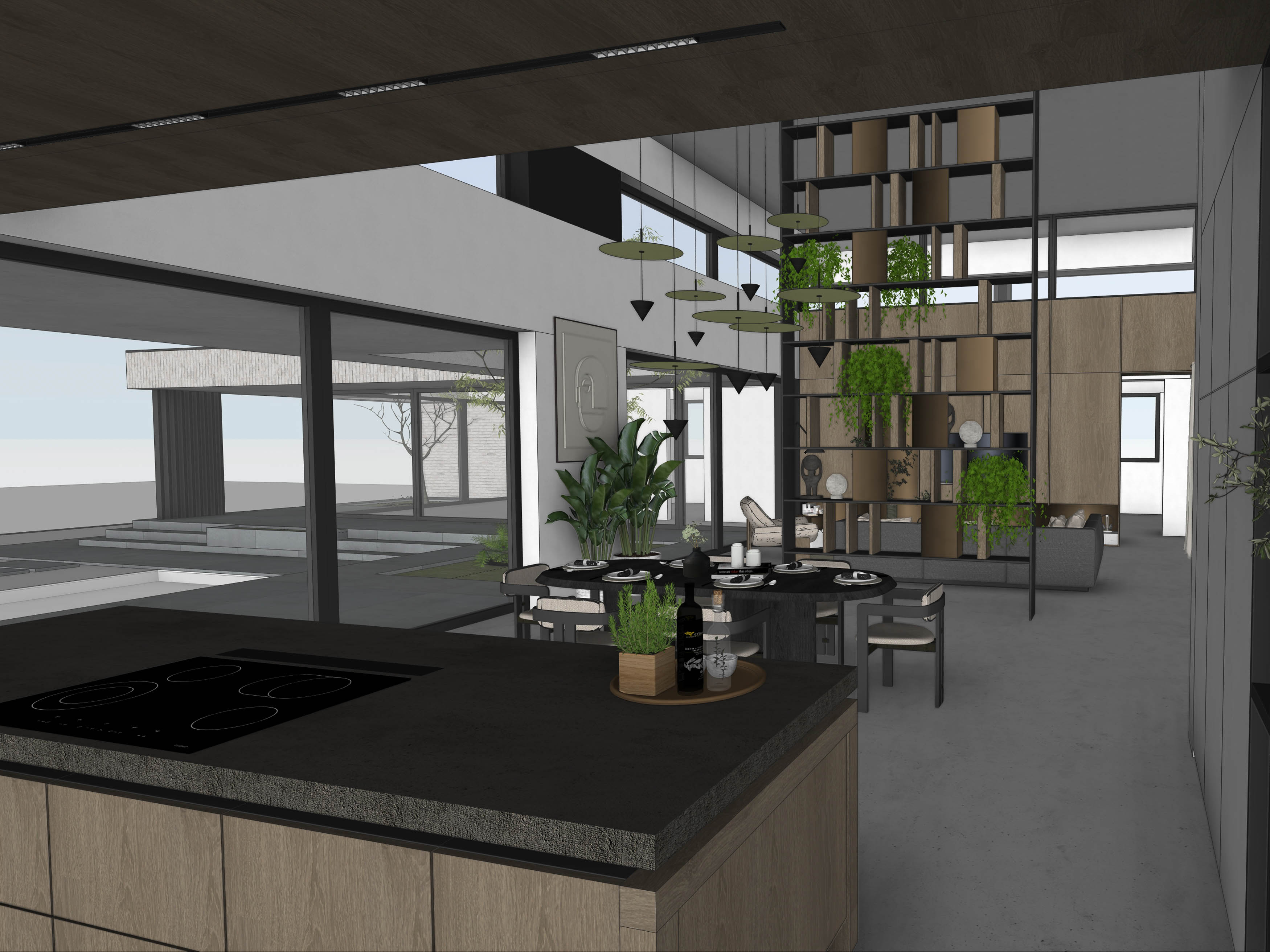
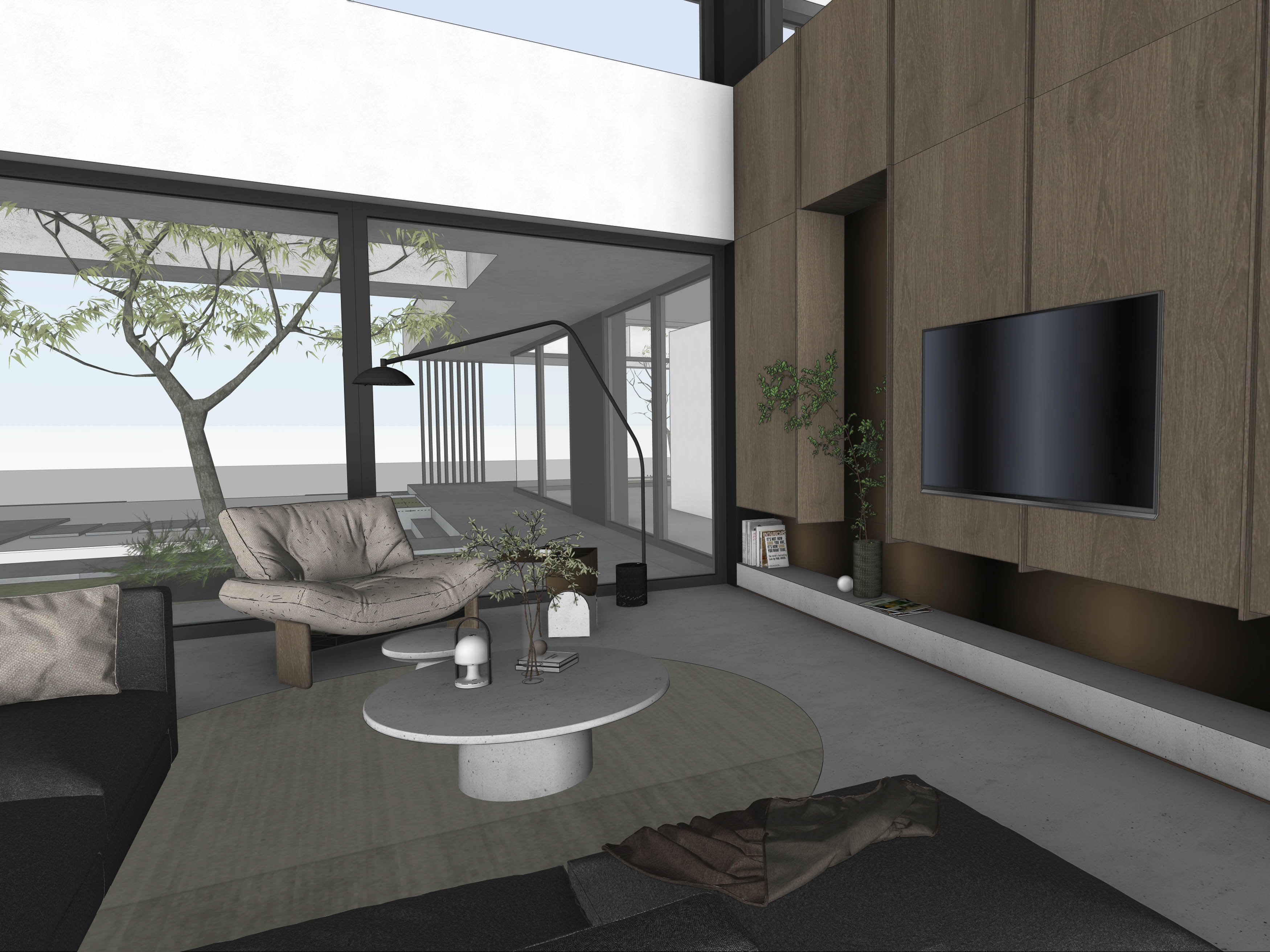
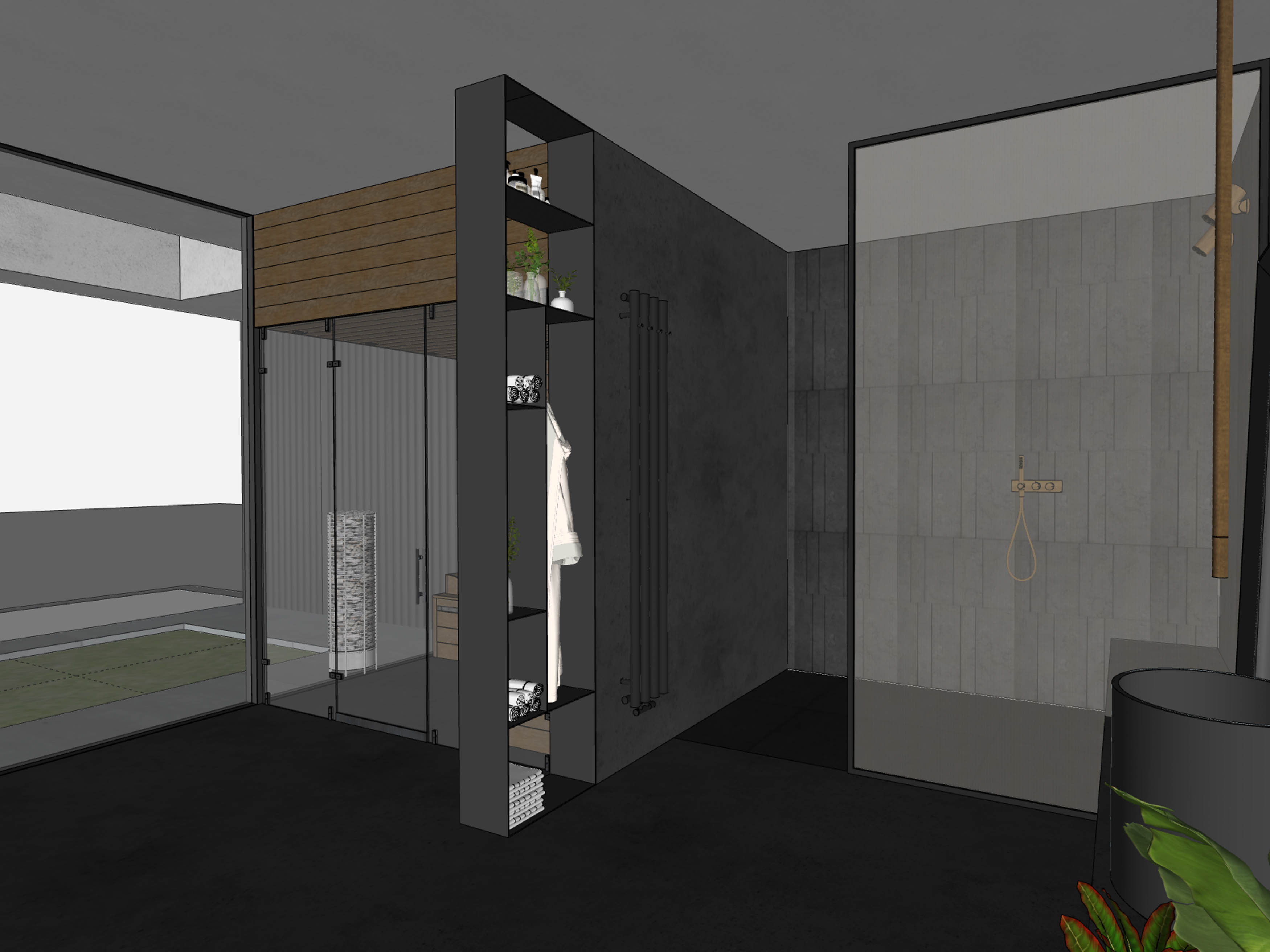
Traditional drawings can be hard for clients to read — floor plans, sections, and elevations require experience and spatial imagination. That's why we prepare designs in 3D from the start, so you can navigate the space intuitively and understand even complex situations without having to guess "what's what." Faster decisions and a lower risk of mistakes that would only show up on site.
The 3D model lets us verify proportions, circulation, ceiling heights, room connections, and furniture scale early in the process. In practice, this means we catch clashes and impracticalities sooner — things that might look harmless in a floor plan but would be a daily frustration in real life. And because we use the 3D model as a working tool, we build on it in later phases too — for example, when developing furniture elements and details. What you understand in 3D today, you won't have to fix at great expense tomorrow.
We also provide contractors with standard technical documentation in the usual format, and clients have access to it in our cloud — always the current version, always in one place. The client gets a clear overview, the contractor gets precise documentation — and the project gains certainty.
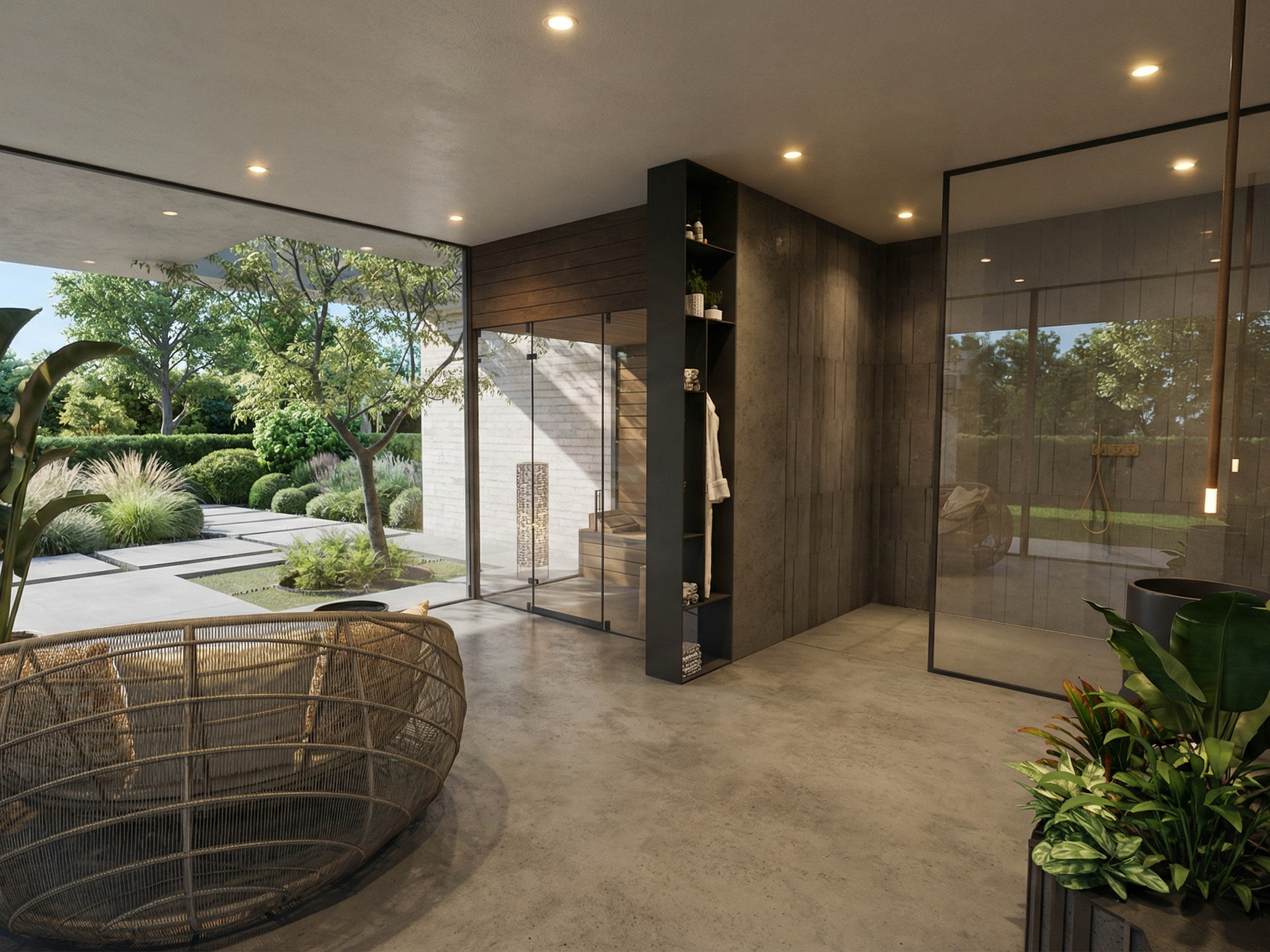
Visualizations & AI
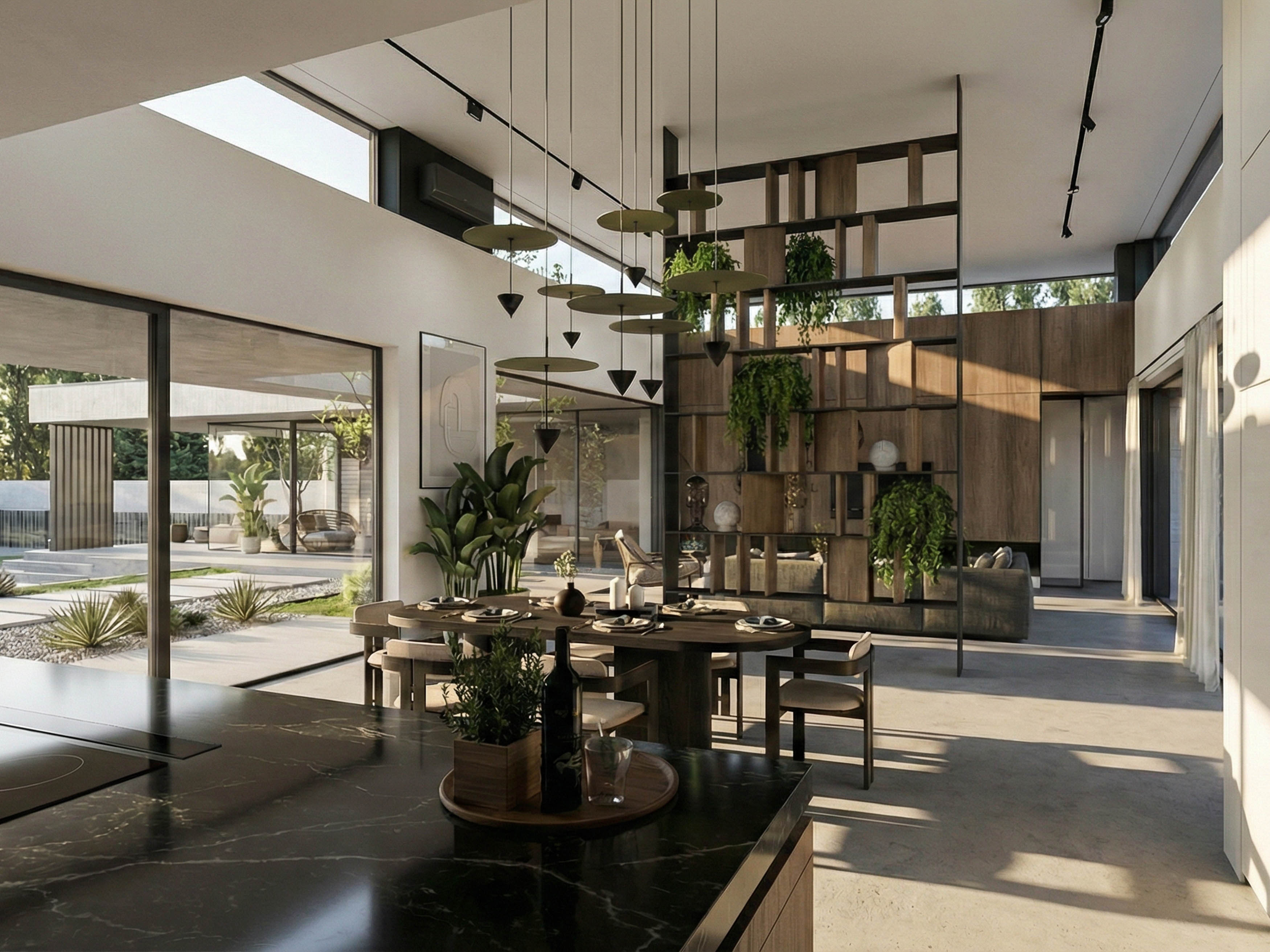
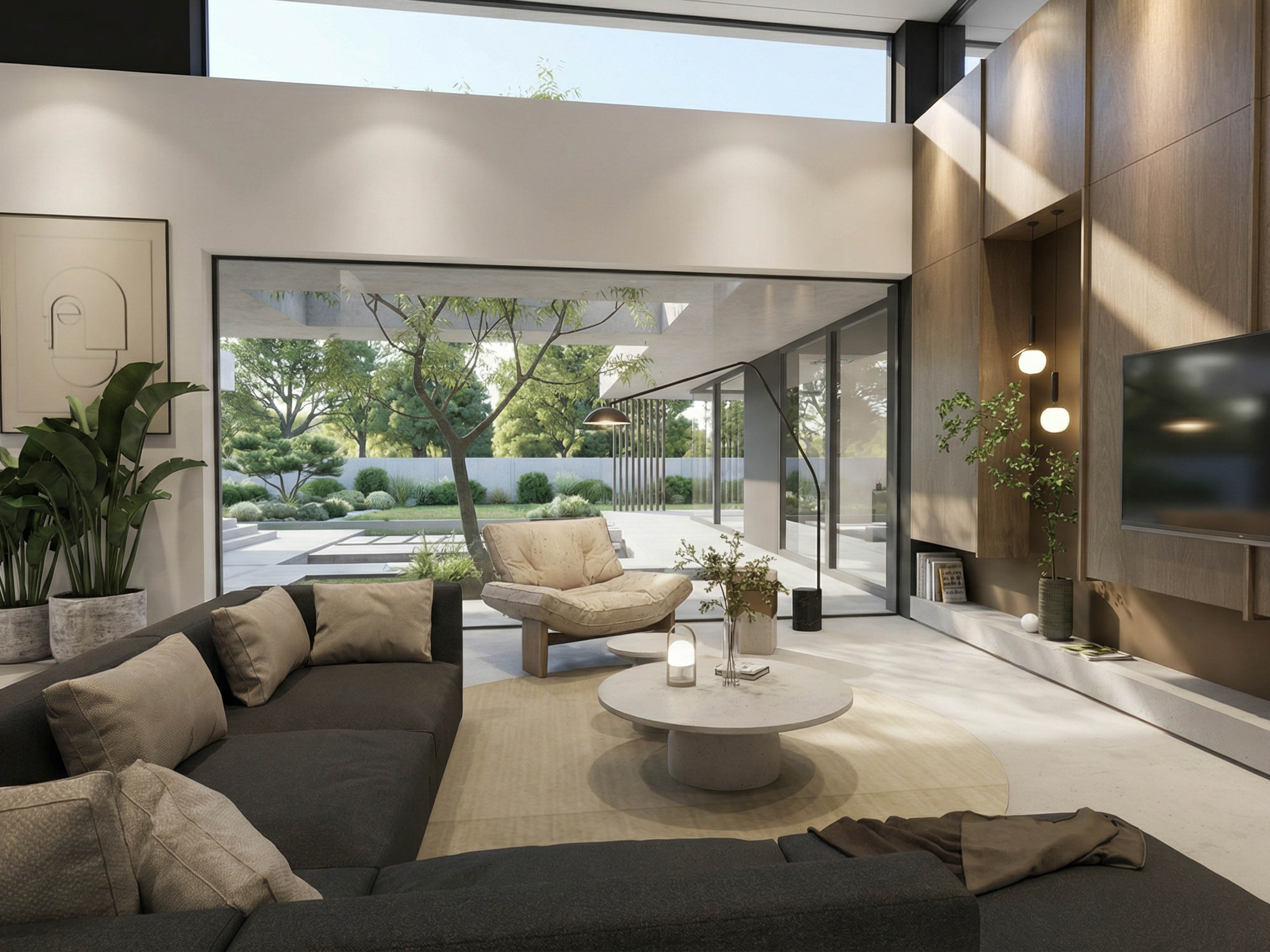
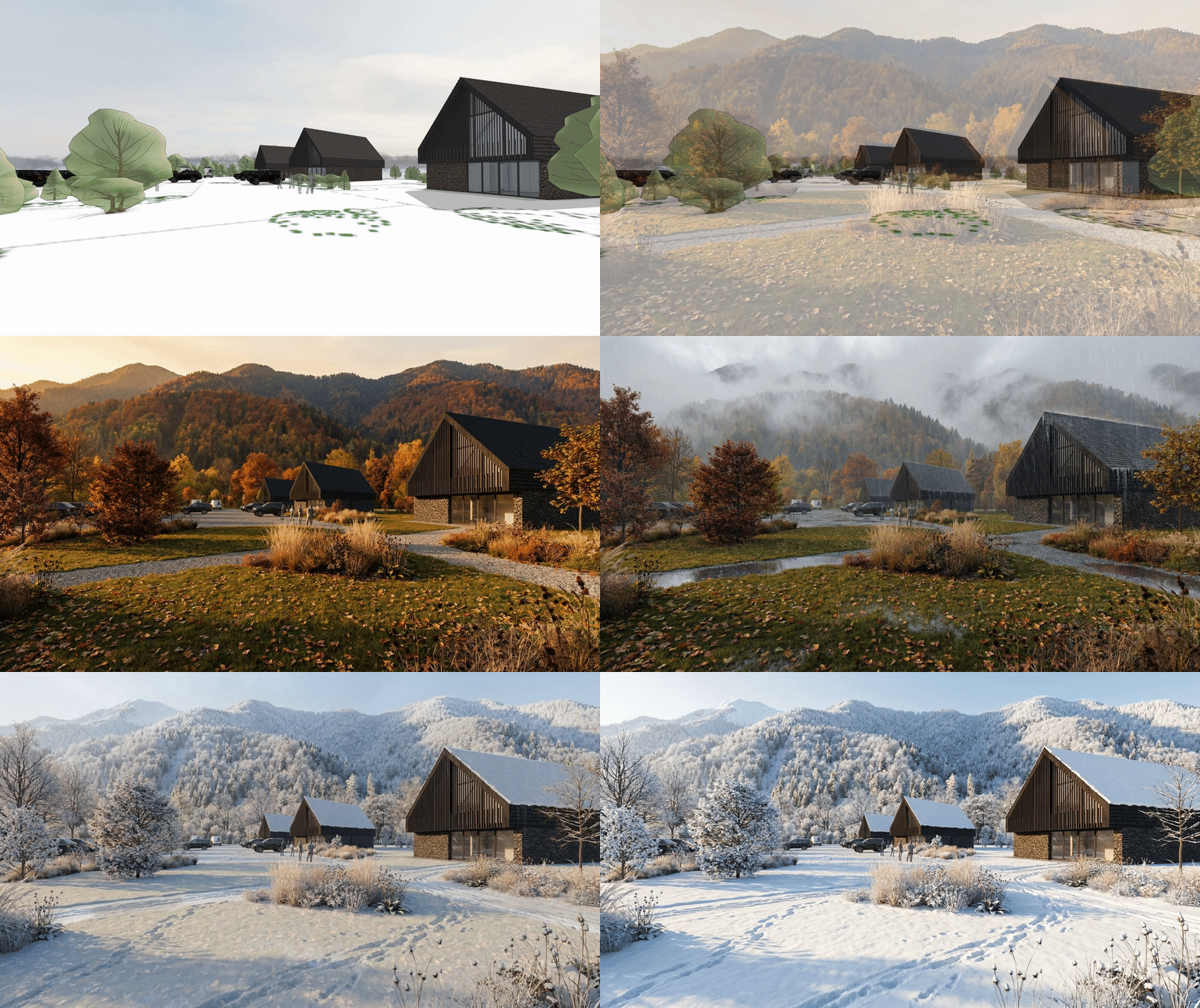
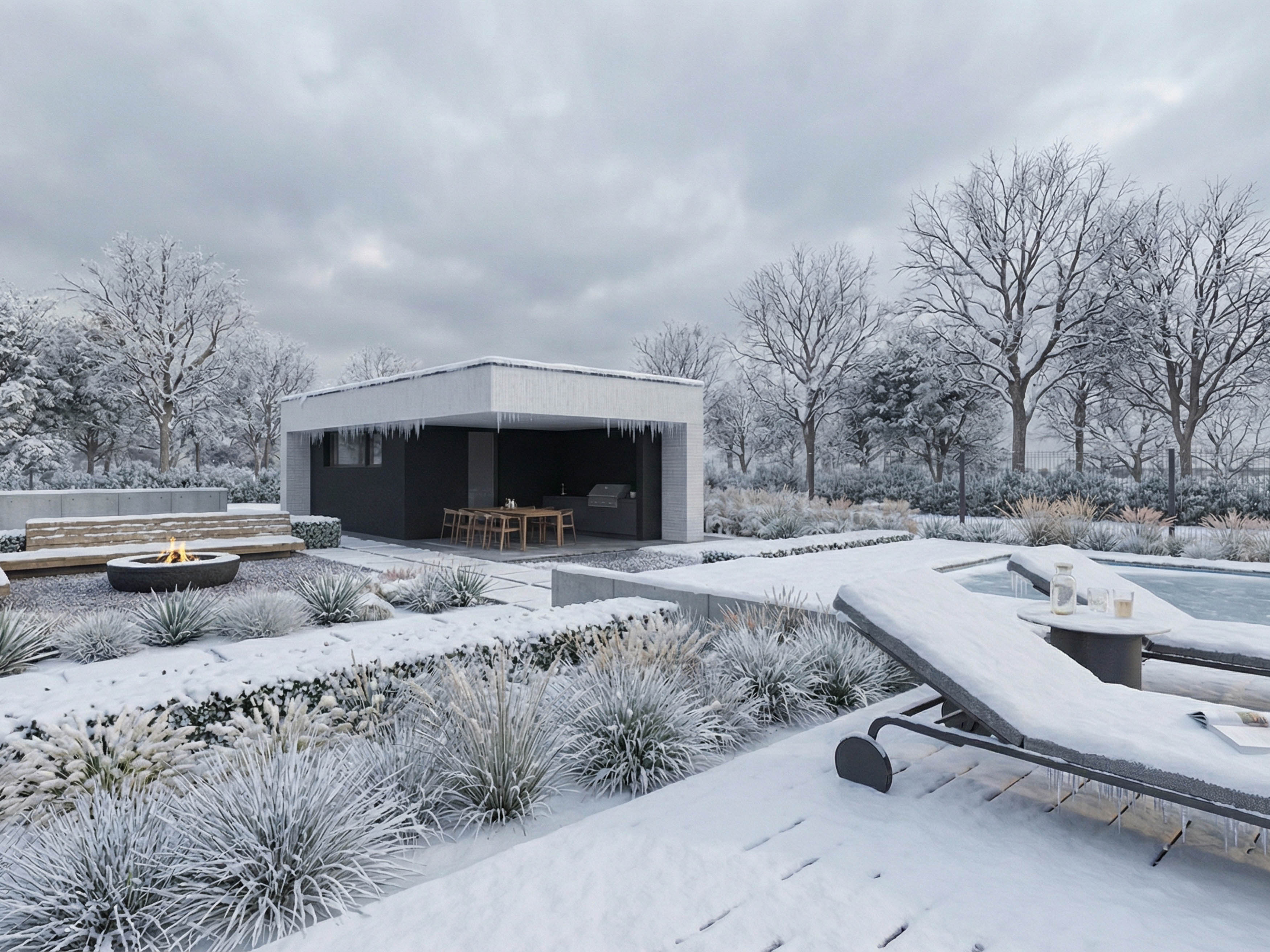
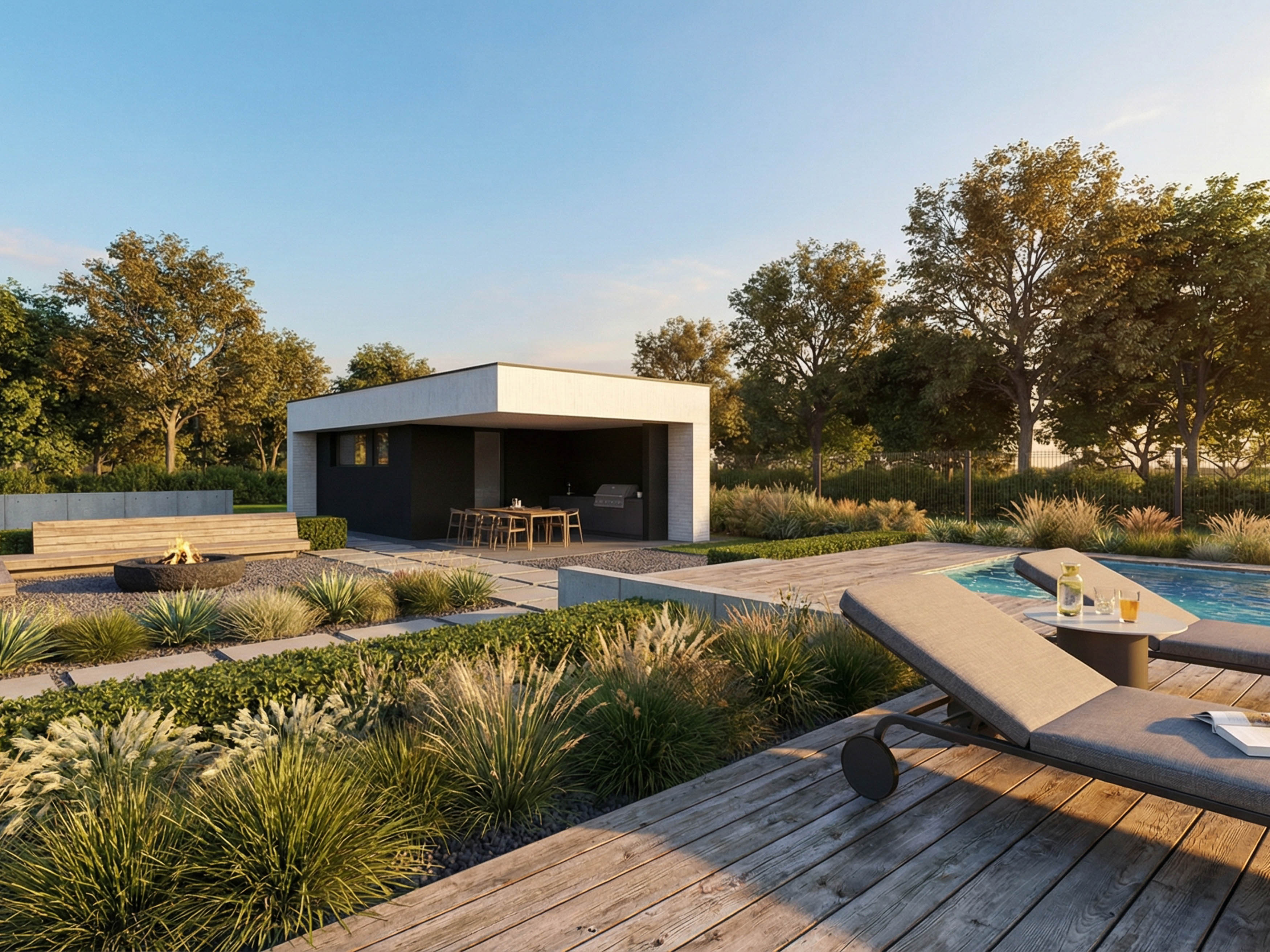
Realistic design rendering is no longer just a luxury "pretty picture at the end." We use AI tools as part of the process because they let us quickly test and compare options — before anything is finalized or ordered. More variants, better decisions, fewer dead ends.
With AI, we can efficiently explore lighting, atmosphere, material combinations, and color palettes throughout the design process. Instead of one expensive "safe bet" visualization, we can compare multiple directions and together pinpoint more precisely what works — and what doesn't. Quick comparison of variants saves time, stress, and budget.
We treat AI as a smart tool for iteration and communication. Final decisions, however, are always grounded in real specifications and physical material samples, so the result matches what will actually be built. Technology gives us speed — but final quality comes from our many years of hands-on implementation experience.
— Let's meet!
Do you have a similar project you'd like to discuss with us? Fill out this short questionnaire and we'll get back to you!
od Radky - 15. 6. 2026